September 18, 2026
Maintaining a safe, reliable building requires regular care for the complex wiring systems hidden behind your walls. Over time, loose connections, aging insulation, and overloaded circuits gradually compromise overall operational safety and power efficiency. Scheduling routine electrical maintenance protects your building against unexpected power failures, expensive equipment damage, and serious safety hazards.
1. Preventing Electrical Fires and Structural Safety Risks
Failing to inspect aged wiring and loose connections creates severe safety hazards for residential and commercial properties alike. According to SafeHome.org, residential properties account for nearly 75% of fire-related deaths in the United States. Overheated junction boxes, frayed wiring, and loose terminal connections generate intense arc flashes that easily ignite nearby insulation and framing materials. Investing in routine electrical maintenance identifies dangerous hot spots early, protecting your property and occupants from sudden, catastrophic fires.
Thermal imaging technology allows certified electricians to detect hidden heat anomalies behind walls and inside distribution panels before visible smoke or scorch marks appear. Aging rubber or plastic wire insulation degrades, cracks, and flakes off over time, exposing bare copper conductors to surrounding metal studs and junction boxes. Tightening loose terminal lug connections during routine servicing stops micro-arcing and prevents copper wires from melting under heavy appliance draw. Identifying compromised wiring paths early mitigates fire risks, ensures complete compliance with current National Electrical Code standards, and provides long-term peace of mind for every property owner.
2. Eliminating Unexpected Power Outages and Operational Downtime
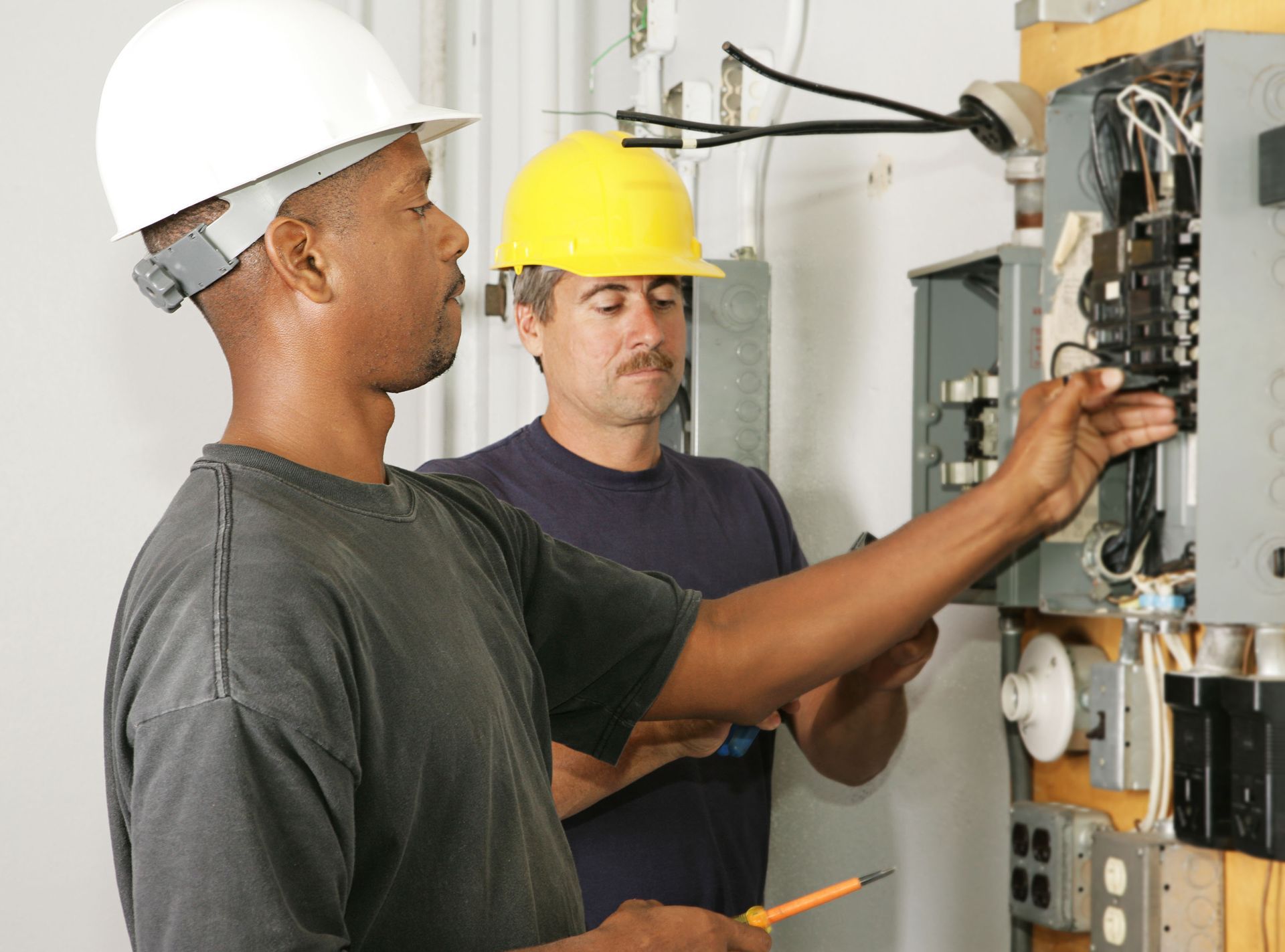
Neglecting routine panel inspections frequently leads to tripped breakers, blown fuses, and sudden power failures across critical circuits. Corrosion, dust buildup, and loose busbar connections restrict current flow, forcing distribution panels to work harder and fail unexpectedly. These sudden interruptions interrupt daily routines and halt business operations without warning. Comprehensive preventive care keeps main service panels operating cleanly and reliably under everyday power demands.
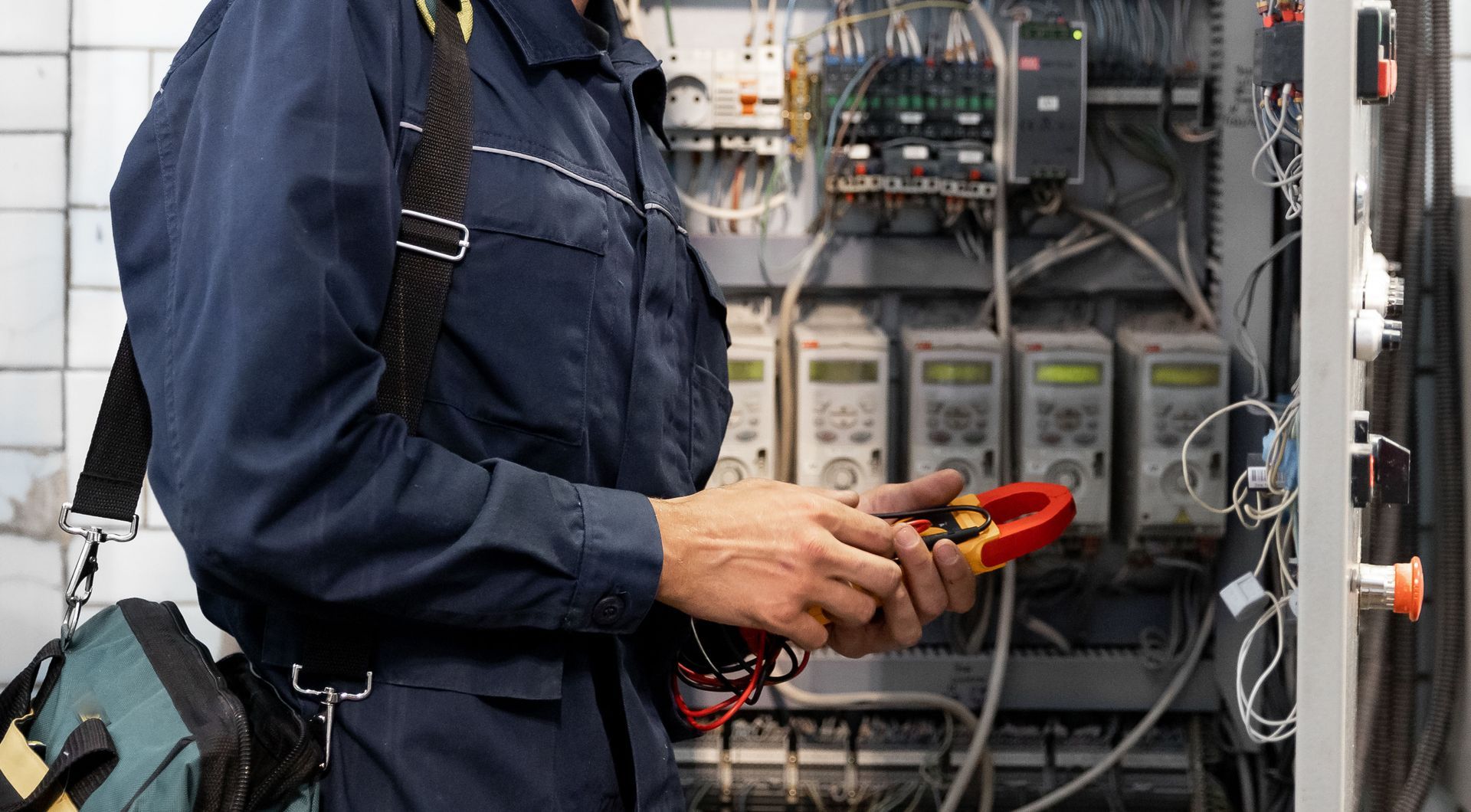
Accumulated dust, humidity, and atmospheric debris create insulating layers on circuit breaker contacts, leading to localized overheating and false breaker trips. Routine panel servicing includes cleaning interior busbars, inspecting main breaker lugs, and verifying that every circuit breaker seats tightly against the panel assembly. Electrical maintenance professionals also measure current draw across active phases to identify imbalanced neutral wires or overloaded breaker slots before main disconnects trip. Eliminating loose connections and corrosion stabilizes system voltage, prevents unexpected blackouts, and ensures continuous, high-efficiency power delivery to every lighting grid, appliance, and commercial workstation.
3. Protecting Sensitive Electronics from Sudden Voltage Spikes
Unnoticed grounding issues and failing surge protection devices leave expensive appliances, computers, and specialized equipment vulnerable to power surges. Voltage spikes caused by grid fluctuations or internal equipment cycling degrade delicate circuit boards over time. Routine system testing verifies that main grounding electrodes and surge arresters function correctly to divert excess voltage safely into the earth. Protecting your electrical infrastructure prevents premature equipment failure and costly electronic replacements.
Without proper grounding, high-voltage transients wander through data cables and neutral pathways, destroying sensitive microprocessors inside smart home systems, commercial servers, and kitchen appliances. Electrical maintenance professionals perform ground resistance testing to confirm that copper grounding rods, ground rings, and bonding clamps maintain low-resistance pathways to the soil. Inspecting panel-mounted surge protective devices ensures indicator lights display active protection and internal metal oxide varistors have not degraded from past grid events. Establishing robust grounding and active surge suppression shields valuable electronics against lightning strikes, utility switching transients, and internal motor start-up spikes across your entire facility.
4. Resolving Persistent Circuit Overloads and Breaker Trips
Plugging modern, high-draw appliances into outdated wiring setups frequently strains older electrical panels beyond their rated capacity. Overloaded circuits generate excessive heat, cause breaker handles to trip repeatedly, and melt protective wire insulation. Professional inspections evaluate load distribution across all branch circuits, ensuring power is balanced safely across your entire system. Upgrading subpanels and adding dedicated lines prevents dangerous heat accumulation in overloaded junction boxes.
High-wattage devices like electric vehicle chargers, heat pumps, space heaters, and commercial kitchen equipment draw continuous current that older 100-amp service panels cannot safely sustain. Running multiple high-draw appliances simultaneously on a shared circuit causes copper conductors to expand and contract, loosening terminal screws inside wall outlets over time. Electricians calculate total connected load requirements and install dedicated 240-volt branch circuits equipped with properly rated breakers to separate heavy machinery from general lighting grids. Balancing circuit loads prevents annoying breaker trips, eliminates voltage drops under heavy appliance start-ups, and protects structural framing from dangerous, heat-induced insulation breakdown behind your walls.
5. Restoring Flickering and Dimming Lighting Systems
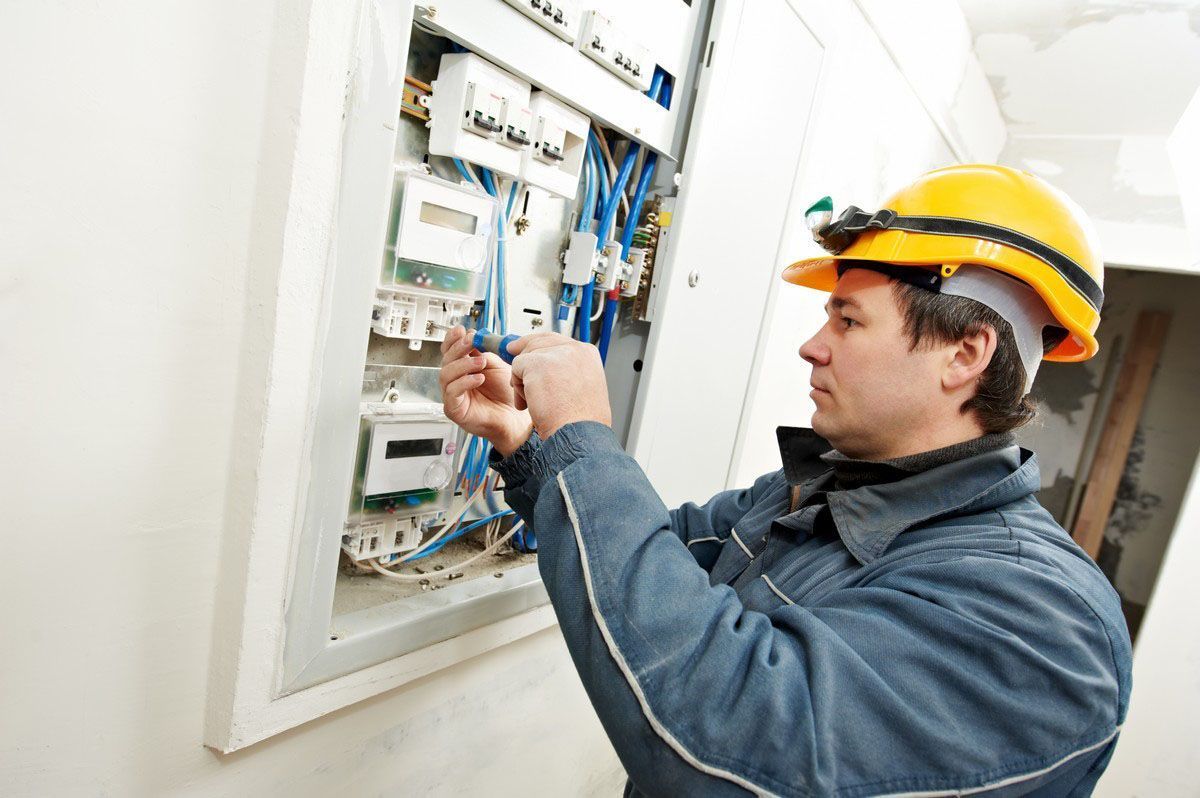
Flickering overhead lights, buzzing fixtures, or sudden drops in illumination usually indicate loose wiring joints, failing ballasts, or voltage drops. Ignoring these early warning signs allows poor electrical connections to arc continuously inside light switches and wall boxes. Technicians inspect fixture wiring, tighten terminal screws, and replace failing control switches to restore steady, reliable light output. Timely repairs preserve fixture lifespans and ensure consistent illumination throughout your building.
6. Upgrading Outdated Electrical Panels and Service Controls
Legacy fuse boxes and outdated breaker panels struggle to supply clean, continuous power to modern electronic devices. Aging busbars develop heavy oxidation that increases electrical resistance, generating dangerous heat within the service enclosure. Regular electrical maintenance evaluations pinpoint when older panel components require servicing, repair, or full replacement to meet modern electrical codes. Upgrading aging distribution hardware ensures your building safely supports high-capacity appliances and expansion projects.
7. Eliminating Hazardous Arc Faults and Ground Short Circuits
Damaged wire insulation and loose terminal connections frequently cause subtle electrical arcing that standard circuit breakers fail to detect. Continuous arcing generates extreme local heat, melting plastic outlet boxes and scorching surrounding drywall. Installing and testing specialized Arc Fault Circuit Interrupter (AFCI) devices ensures power cuts off immediately when dangerous arcing occurs. Preventive testing verifies these critical safety mechanisms operate correctly under real-world fault conditions.
8. Stopping Premature Outlet Scorching and Receptacle Wear
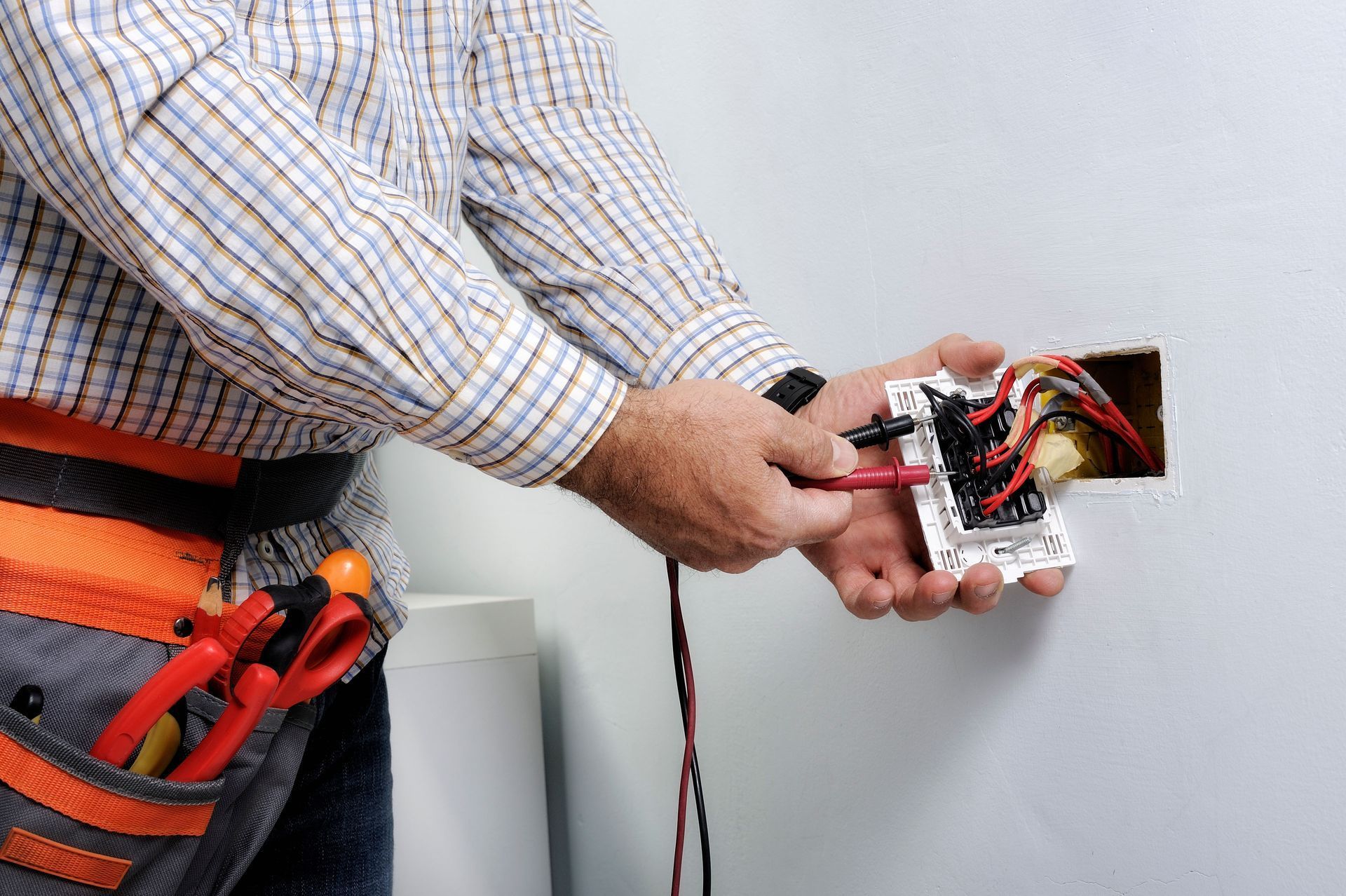
Repeatedly plugging in heavy-draw equipment wears down the internal spring contacts inside wall outlets, creating loose, high-resistance connections. Loose plugs generate localized heat that scorches outlet faceplates, melts wire nuts, and creates persistent shock hazards for users. Routine testing identifies loose, worn, or ungrounded receptacles before they damage connected power cords or cause electrical shocks. Replacing degraded wall outlets restores secure mechanical connections and safe power delivery.
9. Repairing Faulty Switches and Unreliable Control Devices
Wall switches that feel warm to the touch, emit popping noises, or fail to activate fixtures signal internal contact degradation and loose wire connections. Defective switches create intermittent electrical arcs every time they operate, gradually eroding internal metal contacts. Professional inspections verify switch operation, check terminal torque, and replace worn control mechanisms across all living and work spaces. Replacing failing switches ensures smooth, click-free power control throughout your property.
10. Resolving Inefficient Power Usage and Rising Energy Bills
High electrical resistance caused by corroded splices, loose neutral wires, and imbalanced loads forces your electrical system to draw excess power to operate normally. This invisible energy loss generates waste heat within your walls while steadily increasing monthly utility bills. Routine electrical maintenance cleans service connections, balances circuit loads, and optimizes power distribution throughout your facility. Correcting system inefficiencies lowers operational overhead and reduces unnecessary energy waste.
Prioritizing regular system inspections and professional repairs preserves property value, prevents sudden disruptions, and protects your building against severe fire hazards. Partnering with certified specialists ensures your wiring, panels, and control devices operate at peak efficiency year after year. For reliable service and complete peace of mind, contact the team at Travers Electric Inc today.