November 25, 2026
Warehouses depend on reliable electrical systems to support lighting, machinery, equipment, and daily operations. However, aging infrastructure, overloaded circuits, and faulty wiring can create serious safety concerns. Working with a commercial electrician helps warehouse operators identify hazards, maintain reliable systems, and reduce the risk of costly electrical failures.
Identifying Common Electrical Hazards
Warehouses contain extensive electrical infrastructure that must support demanding operations. Exposed wiring, improper grounding, damaged equipment, and overloaded circuits can all create dangerous conditions. These problems may go unnoticed until they cause equipment failures, power interruptions, or electrical fires.
According to the National Fire Protection Association, electrical distribution and lighting equipment were involved in approximately 16% of warehouse fires, accounting for 18% of the resulting direct property damage. These figures demonstrate the importance of maintaining safe electrical systems. A commercial electrician can identify potential problems through professional inspections and recommend appropriate corrective measures.
Faulty wiring is another significant concern because it can cause intermittent power problems, equipment damage, and overheating. Older wiring may also struggle to accommodate the demands of modern warehouse machinery and technology. Professional evaluations help determine whether existing wiring remains suitable for the facility's electrical requirements.
Recognizing Outdated Electrical Systems
Older warehouses may have electrical systems that were designed for substantially lower power demands. As businesses introduce new machinery, automation, and technology, existing infrastructure can become inadequate. Frequent breaker trips, flickering lights, and inconsistent equipment performance may indicate that an electrical system needs attention.
A commercial electrician can evaluate the condition of existing infrastructure and determine whether upgrades are necessary. This assessment considers current power consumption, future expansion plans, and applicable safety requirements. Modern electrical components can improve reliability while providing additional protection against common hazards.
Preventing Overloaded Circuits
Warehouses often operate numerous machines, lighting systems, computers, and other electrical equipment simultaneously. When circuits carry more electricity than they are designed to handle, overheating and equipment damage can occur. Severe overloads may also contribute to electrical fires.
An experienced commercial electrician evaluates electrical loads and determines whether existing circuits can safely accommodate operational demands. When additional capacity is needed, professionals can recommend appropriate circuit upgrades or electrical distribution improvements. These measures help facilities maintain reliable power without placing unnecessary stress on existing infrastructure.
Conducting Regular Electrical Inspections
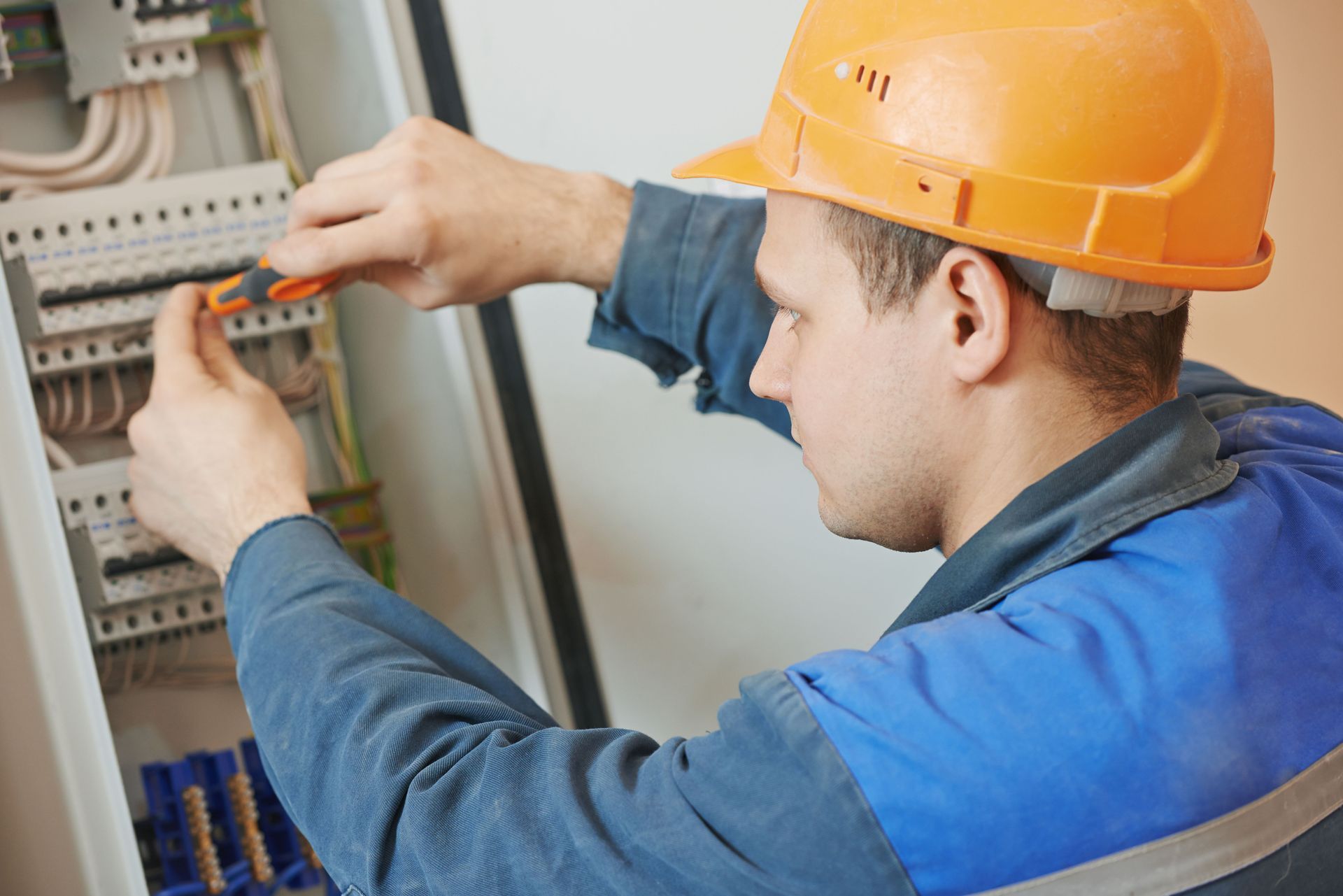
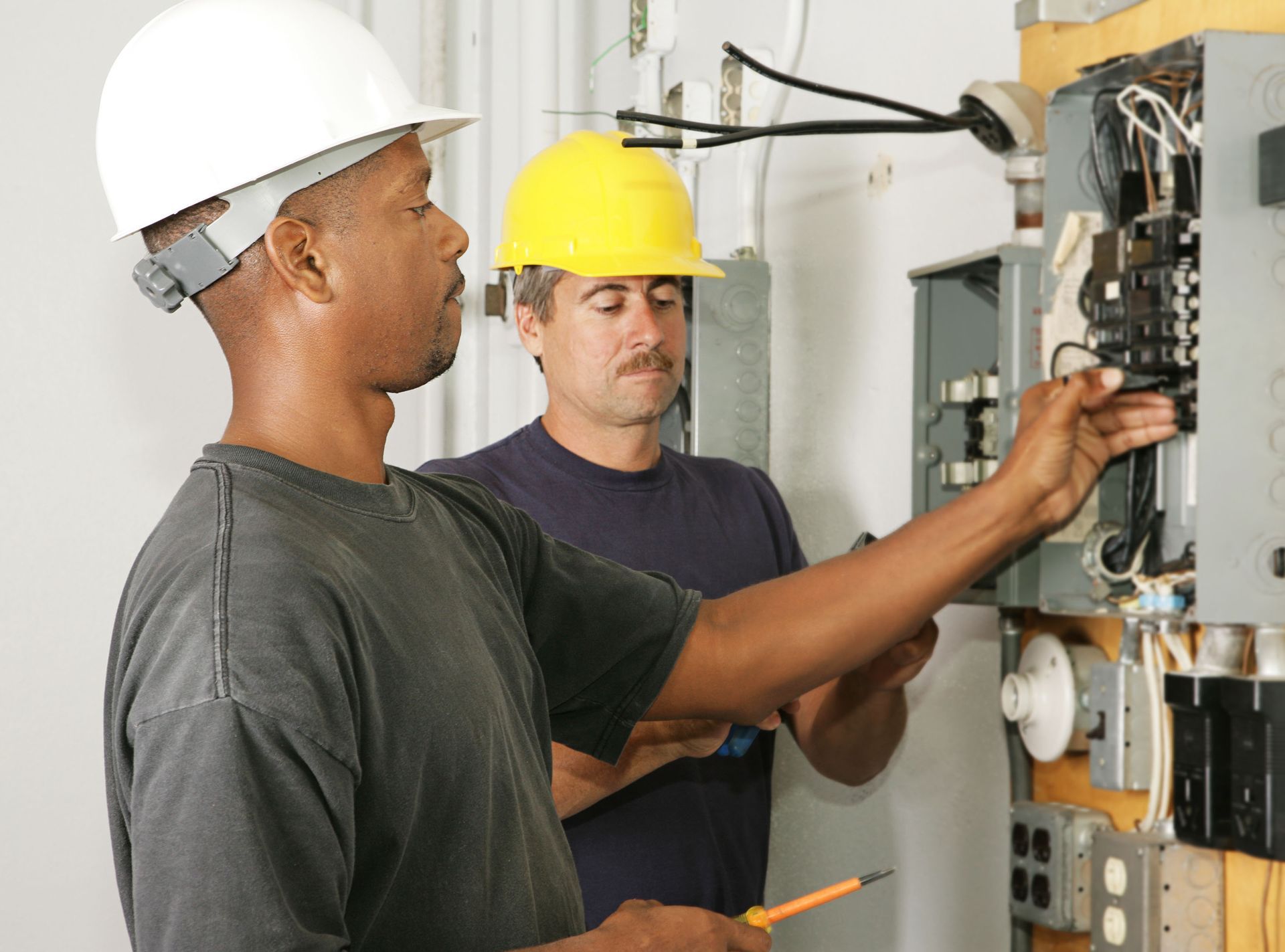
Routine inspections are essential for identifying problems before they interrupt warehouse operations. Electrical wiring, panels, lighting systems, outlets, and equipment connections should be evaluated periodically. A commercial electrician can identify deterioration, loose connections, and other conditions that may compromise safety.
Inspections also help warehouse operators maintain compliance with applicable electrical codes and safety requirements. Professional assessments provide useful information about the condition of electrical infrastructure and highlight areas requiring attention. Addressing problems early can reduce unexpected downtime and expensive repairs.
Performing Electrical Safety Audits
Electrical safety audits provide a more comprehensive evaluation of a warehouse's electrical infrastructure. These assessments examine wiring, equipment, electrical panels, grounding systems, and overall power distribution. A commercial electrician can identify potential hazards and recommend improvements based on the facility's operational needs.
Audits also help businesses understand whether their electrical systems can accommodate future growth. Additional machinery, expanded storage areas, and new technology may require changes to existing infrastructure. Evaluating these requirements early allows warehouse managers to plan upgrades more effectively.
Identifying Defective Electrical Equipment
Damaged or deteriorating electrical equipment can threaten both workplace safety and operational efficiency. Malfunctioning components may cause inconsistent performance, unexpected shutdowns, and additional strain on connected systems. In some cases, defective equipment can create overheating or fire hazards.
Professional evaluations help identify equipment that needs repair or replacement. A commercial electrician can also investigate recurring failures to determine whether they are connected to broader electrical problems. This approach helps prevent repeated disruptions and supports the long-term reliability of warehouse equipment.
Maintaining Electrical Code Compliance
Electrical codes establish requirements for safe electrical installations and system operation. Warehouses must maintain appropriate wiring, grounding, circuit protection, and equipment installations to meet applicable standards. Failure to address code violations can create safety concerns and potentially complicate inspections or insurance matters.
A qualified commercial electrician understands the requirements that apply to warehouse electrical systems. Professional evaluations can identify outdated installations and other conditions that require correction. Maintaining compliance helps protect employees, equipment, inventory, and the facility itself.
Using Advanced Diagnostic Equipment
Modern diagnostic technology allows electricians to identify electrical problems that may not be visible during a standard inspection. Thermal imaging equipment can help locate abnormal heat patterns, while circuit testing tools provide information about electrical performance. These technologies make it easier to identify developing problems before they cause significant damage.
A commercial electrician can use diagnostic findings to determine which issues require immediate attention and which improvements can be incorporated into future maintenance plans. This information also helps warehouse operators make informed decisions about electrical upgrades. Accurate assessments support safer operations and more dependable infrastructure.
Preparing Electrical Safety Reports
Documentation is an important part of maintaining warehouse electrical systems. Inspection and audit reports provide information about identified hazards, equipment conditions, code compliance, and recommended improvements. These records help management understand the facility's electrical needs and prioritize necessary work.
Detailed reports also support communication between warehouse operators, maintenance personnel, and electrical contractors. By documenting system conditions over time, businesses can recognize recurring problems and plan infrastructure improvements. This organized approach makes electrical maintenance easier to manage.
Upgrading Warehouse Electrical Infrastructure
Warehouse operations continue to change as businesses introduce new machinery, automation, and technology. Electrical systems must be capable of supporting these developments without creating unnecessary hazards. A commercial electrician can evaluate existing infrastructure and recommend upgrades that accommodate current and anticipated power requirements.
Wiring upgrades are particularly important in older facilities. Outdated wiring may not safely support modern electrical loads, increasing the likelihood of equipment problems and overheating. Updating electrical infrastructure helps improve reliability while reducing risks associated with aging components.
Electrical panels may also require modernization to support increased power demands. Modern panels can provide improved circuit protection and better accommodate changing electrical requirements. Professional installation and evaluation help ensure that power is distributed safely throughout the warehouse.
Improving Warehouse Lighting Systems
Proper lighting is essential for maintaining visibility and supporting safe warehouse operations. Poor illumination can make it difficult for employees to navigate aisles, identify inventory, and operate equipment safely. Outdated lighting systems may also consume more electricity than necessary.
Energy-efficient lighting options, including LED fixtures, can improve visibility while reducing electricity consumption. A commercial electrician can evaluate the facility's lighting requirements and recommend suitable replacements or system improvements. Properly planned lighting upgrades can also reduce maintenance needs because modern fixtures often have longer service lives.
Lighting controls can provide additional efficiency by adjusting illumination based on occupancy and operational schedules. These systems help warehouses manage energy consumption without compromising visibility. Professional installation ensures that lighting improvements are appropriate for the building's layout and electrical infrastructure.
Supporting Warehouse Expansion
Warehouse expansions and operational changes often require electrical infrastructure improvements. Adding storage areas, machinery, refrigeration equipment, or automated systems can significantly increase power requirements. Without proper planning, these changes may place excessive demands on existing electrical systems.
A commercial electrician can assess the facility before expansion projects begin. This includes evaluating electrical capacity, identifying necessary panel upgrades, and determining whether additional circuits or distribution equipment are needed. Proper planning helps businesses avoid costly complications and maintain reliable power as operations grow.
Maintaining Reliable Electrical Systems
Electrical maintenance plays an important role in preventing unexpected warehouse disruptions. Wiring connections, panels, lighting fixtures, and other electrical components can deteriorate through regular use. Periodic professional evaluations help identify developing concerns and keep infrastructure operating reliably.
Maintenance also provides an opportunity to review changing electrical demands. As warehouses introduce new equipment, their original electrical configurations may no longer be appropriate. Working with a commercial electrician helps businesses address these changes while maintaining safe and dependable systems.
Travers Electric Inc can help warehouse operators address electrical concerns and maintain systems that support their business needs. Whether a facility requires an electrical inspection, equipment evaluation, lighting improvements, or infrastructure upgrades, professional service is an important part of maintaining a safe working environment. Contact Travers Electric Inc to discuss your warehouse's electrical requirements and schedule professional assistance.