November 16, 2026
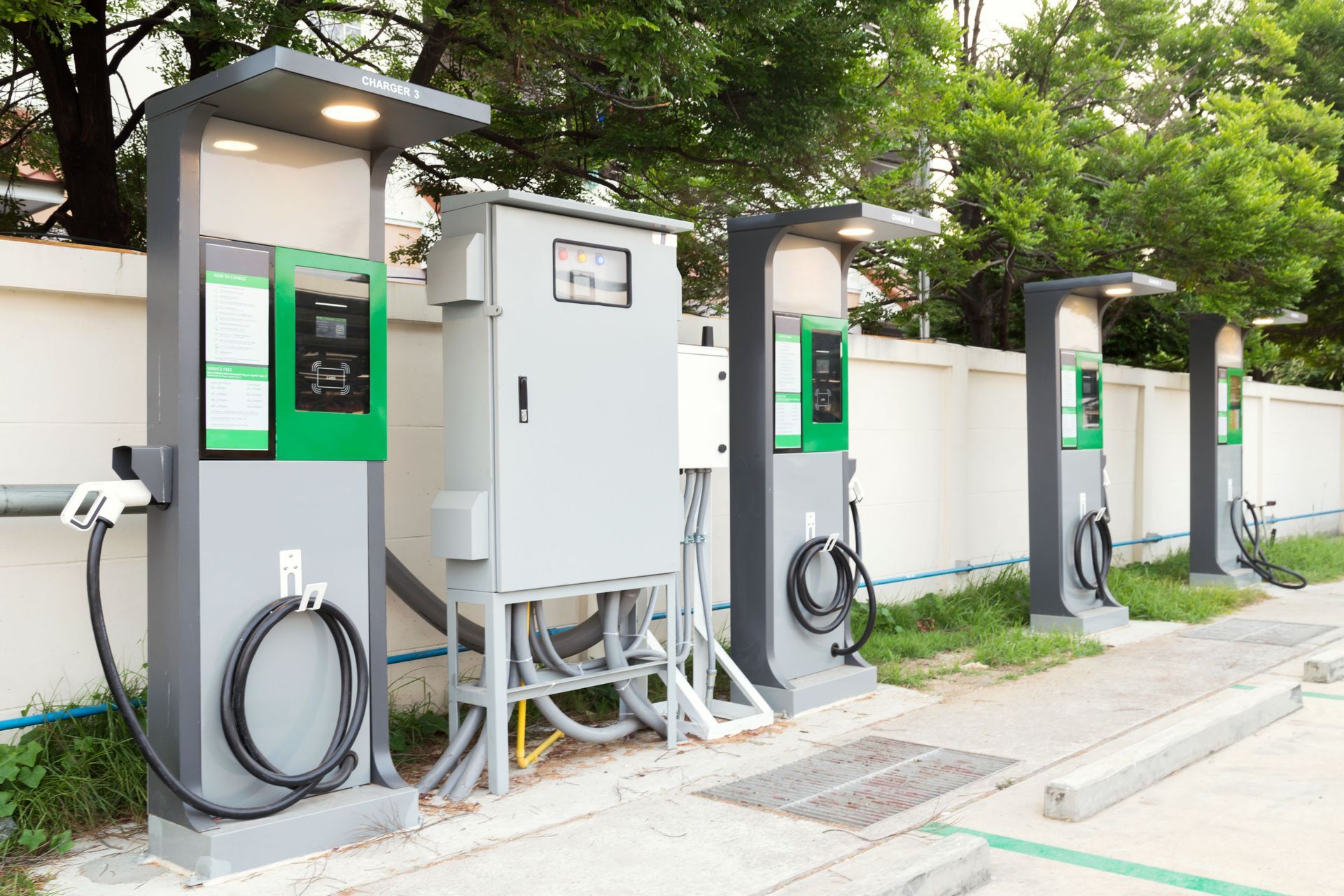
Electric vehicles are becoming more common, and businesses are considering what that shift means for their properties. Charging infrastructure can serve employees, customers, tenants, fleet vehicles, or visitors while helping a commercial site prepare for changing transportation needs.
At Travers Electric Inc, we install EV charging stations for businesses throughout Lewis County, Thurston County, and surrounding areas in Washington. Our licensed electricians handle planning, permitting, electrical upgrades, installation, and final testing so businesses can add charging capacity that fits their property and expected use.
Respond to the Growth of Electric Vehicle Use
Businesses are seeing more electric vehicles in employee parking lots, customer spaces, apartment communities, and commercial fleets. As adoption grows, charging access becomes a practical property consideration rather than a feature limited to a small group of early adopters.
According to the International Energy Agency, the United States added a record number of public EV charging points in 2025, while fast and ultra-fast charging points increased by 30% to nearly 70,000. The same report notes that workplace and other private charging will remain an important part of future charging infrastructure.
That growth gives businesses a reason to consider whether their existing electrical systems and parking areas are ready for future demand.
Add a Useful Amenity for Employees
Workplace charging can be convenient for employees who drive electric vehicles, particularly when their cars remain parked for several hours during the workday. It may also help employees without dependable home charging.
For employers, the value is not simply that a charger is available. The location, number of ports, charging speed, access rules, and expected daily use all affect whether the system serves employees effectively.
Travers Electric can design workplace charging solutions around the electrical capacity and usage patterns of the property rather than installing equipment without considering how it will actually be used.
Improve Convenience for Customers and Visitors
Retail centers, offices, restaurants, hospitality properties, medical facilities, and other destinations may use charging as an added customer amenity. A driver who expects to remain at a location for a meaningful period may appreciate the ability to add range while completing another activity.
Installing EV charging stations does not automatically increase sales or customer traffic, and businesses should avoid treating charging equipment as a guaranteed revenue generator. Its practical value depends on location, customer demographics, dwell time, pricing, accessibility, and how frequently the chargers are used.
For the right property, charging can make the site more convenient for EV drivers.
Prepare Commercial Properties for Future Demand
Electrical infrastructure is easier to plan before demand becomes urgent. A business renovating a parking area, replacing an electrical panel, expanding a facility, or constructing a new property may have an opportunity to consider future charging capacity as part of the larger project.
This does not mean installing the maximum number of chargers immediately. It may mean reviewing service capacity, panel space, conduit routes, parking layout, and potential expansion areas so future additions are easier to accommodate.
Travers Electric provides panel upgrades, commercial electrical remodeling, new construction electrical work, and charging installation. Looking at those systems together can help businesses avoid treating charging as an isolated piece of equipment.
Support Fleet and Company Vehicle Electrification
Some businesses are considering electric cars, vans, or other vehicles for company use. In those cases, dependable on-site charging becomes part of fleet operations rather than simply an employee or customer amenity.
Fleet charging requires careful planning because vehicle schedules, daily mileage, charging windows, and the number of vehicles can affect electrical demand. A system designed for two employee cars may not be appropriate for a larger group of vehicles that all need to be ready by morning.
Commercial EV charging stations can be planned around expected vehicle use and expanded as fleet requirements change. Businesses should evaluate both current needs and realistic future growth before selecting equipment.
Choose the Right Charging Level for the Property
Not every commercial site needs the fastest available charger. Level 2 charging is often suitable for workplaces and destinations where vehicles remain parked for longer periods, while faster equipment may be considered for locations where shorter charging sessions are important.
Charging speed affects more than convenience. Higher-powered equipment can place greater demands on the electrical service and may require larger infrastructure upgrades. The right choice depends on dwell time, turnover, available capacity, budget, and the number of vehicles expected to charge.
Travers Electric installs Level 2 systems and commercial charging networks and can evaluate the existing electrical system before recommending a configuration.
Evaluate Electrical Capacity Before Buying Equipment
A charger cannot be selected solely by comparing features online. The building's electrical service, panel capacity, available circuits, demand profile, and distance to the parking area can all influence the project.
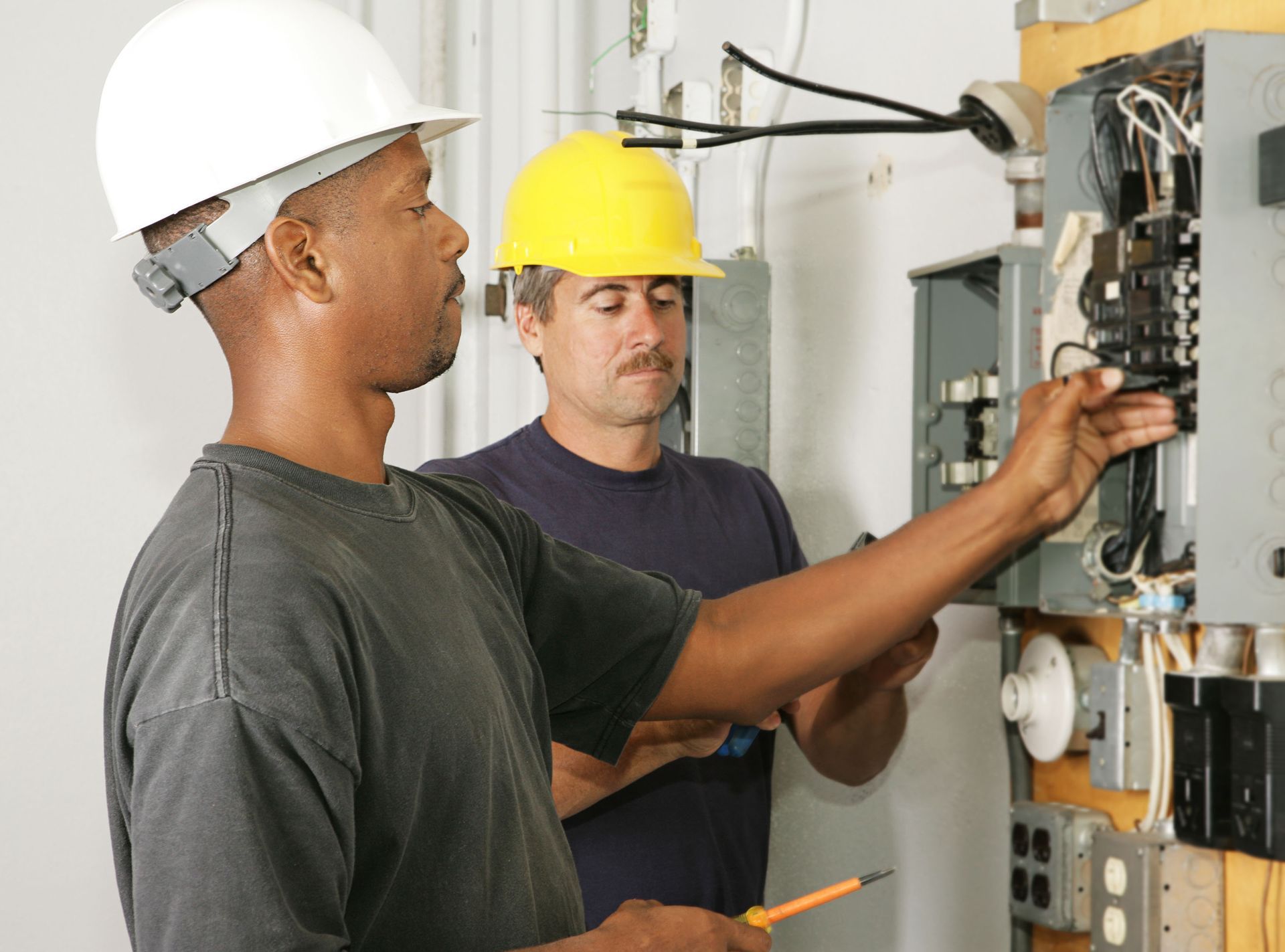
Before installing EV charging stations, a licensed electrician should evaluate whether the existing system can support the planned load or whether an upgrade is needed. Travers Electric provides panel upgrades for charging capacity along with the wiring and installation work required for the charging equipment.
This evaluation can also help businesses decide whether to install several chargers at once, phase the project, or use smart charging controls to manage available capacity.
Use Smart Charging to Manage Multiple Stations
Commercial properties with several charging ports may benefit from systems that can monitor usage or manage how power is distributed. Smart charging can help a business understand when chargers are being used and, depending on the equipment, coordinate charging loads across multiple vehicles.
That can be especially useful when a property wants to expand charging without creating unnecessary peak demand. Equipment capabilities vary, so businesses should identify which monitoring, access control, networking, or load-management functions are actually needed.
Travers Electric provides smart charging system integration as part of its commercial charging services. Planning these features during installation can be simpler than trying to add incompatible controls later.
Plan for Permits, Codes, and Safe Installation
Commercial charging equipment is part of the property's electrical system and should be installed with the same attention to code compliance and safety as other commercial electrical work. The project may involve permitting, equipment placement, wiring methods, panel work, signage, protective equipment, and final inspection.
Travers Electric manages the process from consultation and permit assistance through installation and final testing. Our state-licensed and certified electricians are union contractors with experience in commercial electrical systems throughout Washington State.
Businesses considering EV charging stations should also think about parking access, pedestrian movement, accessibility requirements, equipment protection, and how cords will be positioned during normal use.
Build a Charging Plan That Can Grow With the Business
The most useful charging installation is one that fits the property today without ignoring what may change tomorrow. A business may begin with a small number of chargers for employees or customers and later need additional ports as electric vehicle use increases.
Before moving forward, consider:
- Primary users: Identify whether the chargers will serve employees, customers, tenants, visitors, fleet vehicles, or a combination.
- Parking duration: Estimate how long vehicles normally remain on site to help determine appropriate charging speed.
- Electrical capacity: Have the service and panels evaluated before choosing equipment.
- Expansion: Consider conduit routes, panel space, and parking areas that could support additional chargers later.
- Management features: Decide whether networking, access controls, monitoring, or smart load management are necessary.
Travers Electric Inc has served Washington State since 1969 and brings more than 100 years of combined electrical experience to residential and commercial work. We provide commercial electrical services, panel upgrades, permitting assistance, multi-station charging installations, smart charging integration, free estimates within a week, and a one-year labor warranty.
If your business is considering EV charging stations in Lewis County, Thurston County, or surrounding areas, contact Travers Electric Inc. Our team can evaluate your property, electrical capacity, expected usage, and future expansion goals to design and install a charging solution that supports your business as transportation needs continue to change.